
- Home
- Life Insurance
- Health Insurance
-
Personal Lines
Car Insurance Classic Car Insurance Homeowner's Insurance High-Value Home Insurance Condo Insurance Renters Insurance Landlord Insurance Dwelling Fire Insurance Vacant Dwelling Insurance Home Warranty Pet Insurance Flood Insurance Travel Insurance Jewelry Insurance Umbrella Insurance Motorcycle Insurance Watercraft Insurance Event Insurance Personal Articles Floater
-
Commercial Lines
AI Insurance Barbershop & Salon Insurance Builder's Risk Insurance Business Owner's Policy Cannabis Business Insurance Coffee Shop Insurance Commercial Auto Commercial Event Insurance Cyber Liability Insurance Employment Practices Liability (EPLI) Error and Omission General Liability Insurance Ghost Worker's Compensation Policy Hotels, Destination & Resorts Industry Specific Inland Marine Insurance Liability Insurance Real Estate Investors Short Term Rental Small Business Insurance Tattoo Insurance Trucking Insurance Worker's Compensation Pilates Instructors
- About Us
- Resources
Spoke
Comprehensive guides, expert insights, and practical advice about Spoke coverage options. Get the knowledge you need to make informed insurance decisions.
Spoke articles
Everything you need to know about Spoke coverage, benefits, and protection strategies

When the Cheapest Cannabis Quote Cost a CT Operator $487K: Anatomy of a Coverage-Gap Claim Denial
A line-by-line walkthrough of a real-pattern CT cannabis claim denial — what the operator bought, what burned, what the carrier paid, what the carrier denied, and what a properly placed specialty cannabis policy would have done differently.

Anatomy of a $2.4M Cannabis Cultivation Fire: How the Landlord's Lessors Risk Policy Actually Paid Out
A composite CT cannabis cultivation fire with a $2.4M total loss: what the landlord's lessors risk policy paid, what it denied, what fell to the tenant policy, and which lease decisions shaped the recovery.

Living Plant & Stock Throughput Coverage: The Cannabis Property Endorsements No Standard Form Includes
Living plant, stock throughput, biological deterioration, and crop-in-transit endorsements fill cannabis property gaps standard forms miss. Here is what each covers and how to read the endorsement schedule.
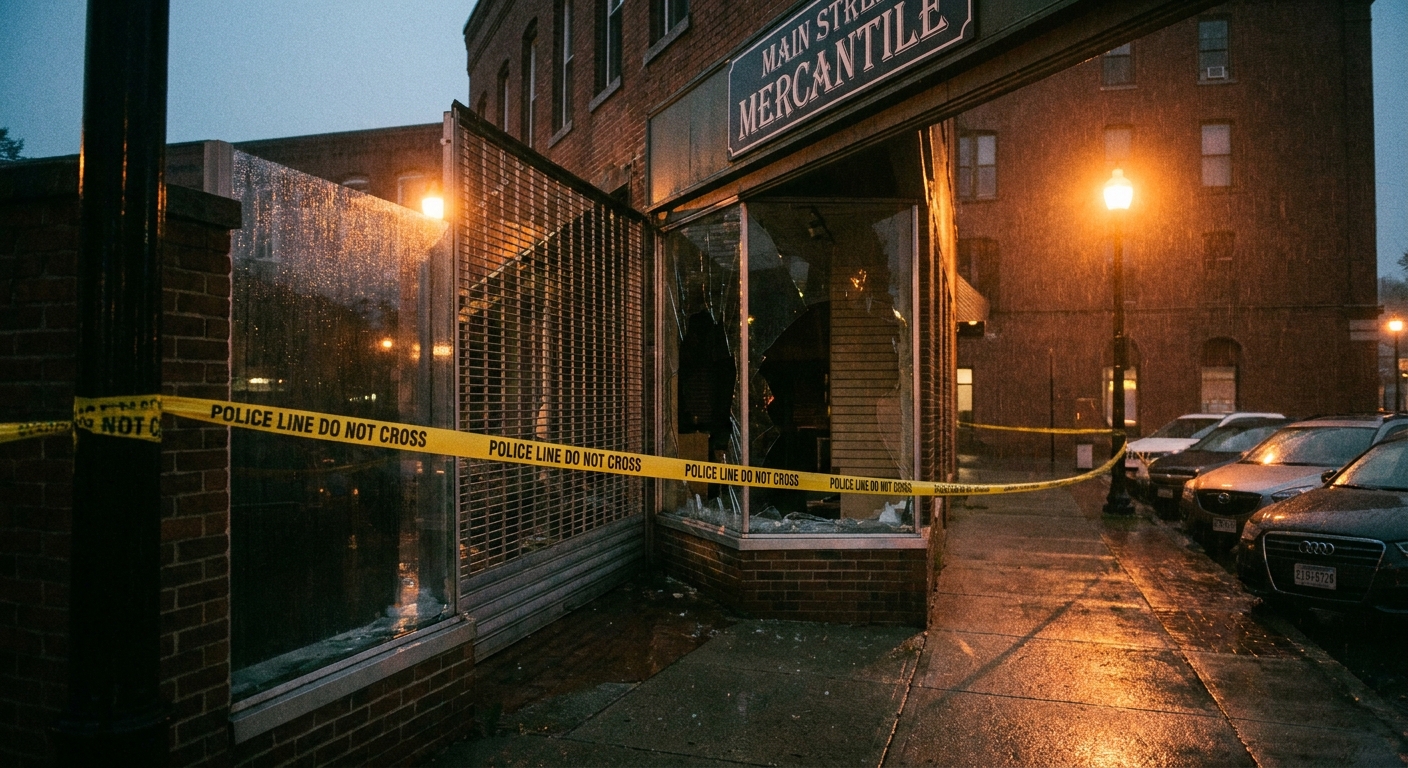
A $180K Robbery at a CT Dispensary: What the Claim Looked Like and What the Policy Actually Paid
An anonymized, composite case study from a real Connecticut cannabis dispensary robbery claim. $180,000 loss, $112,000 paid — and the four reasons the gap existed. A working example of how Crime, Property, and General Liability actually respond in a real CT cannabis loss.

How to Insure a Connecticut Cannabis Cultivation Facility: The Property Underwriting Walkthrough
From building purchase or lease signing to bound lessors risk policy: the exact step-by-step property underwriting process for a CT cannabis cultivation facility. What carriers want to see, the documentation checklist, and the timeline that gets you bound in 21 days instead of 75.

Product Liability for CT Cannabis Manufacturers: The Coverage Gap That Could End the Business
Product Liability is the single most underestimated cannabis insurance line in CT — and the one most likely to bankrupt a manufacturer when a claim hits. Sub-limits, exclusions, occurrence vs. claims-made triggers, and the endorsements that actually protect a Connecticut cannabis processor.

Lancer, Continental Heritage, Admiral & CannGen: A Lessors Risk Carrier Review for CT Cannabis Properties (2026)
An independent broker's working review of the four cannabis lessors risk carriers we place most CT real estate business through in 2026 — Lancer, Continental Heritage, Admiral, and CannGen. Side-by-side on policy form, premium, lender acceptance, and claims handling for cannabis property owners.
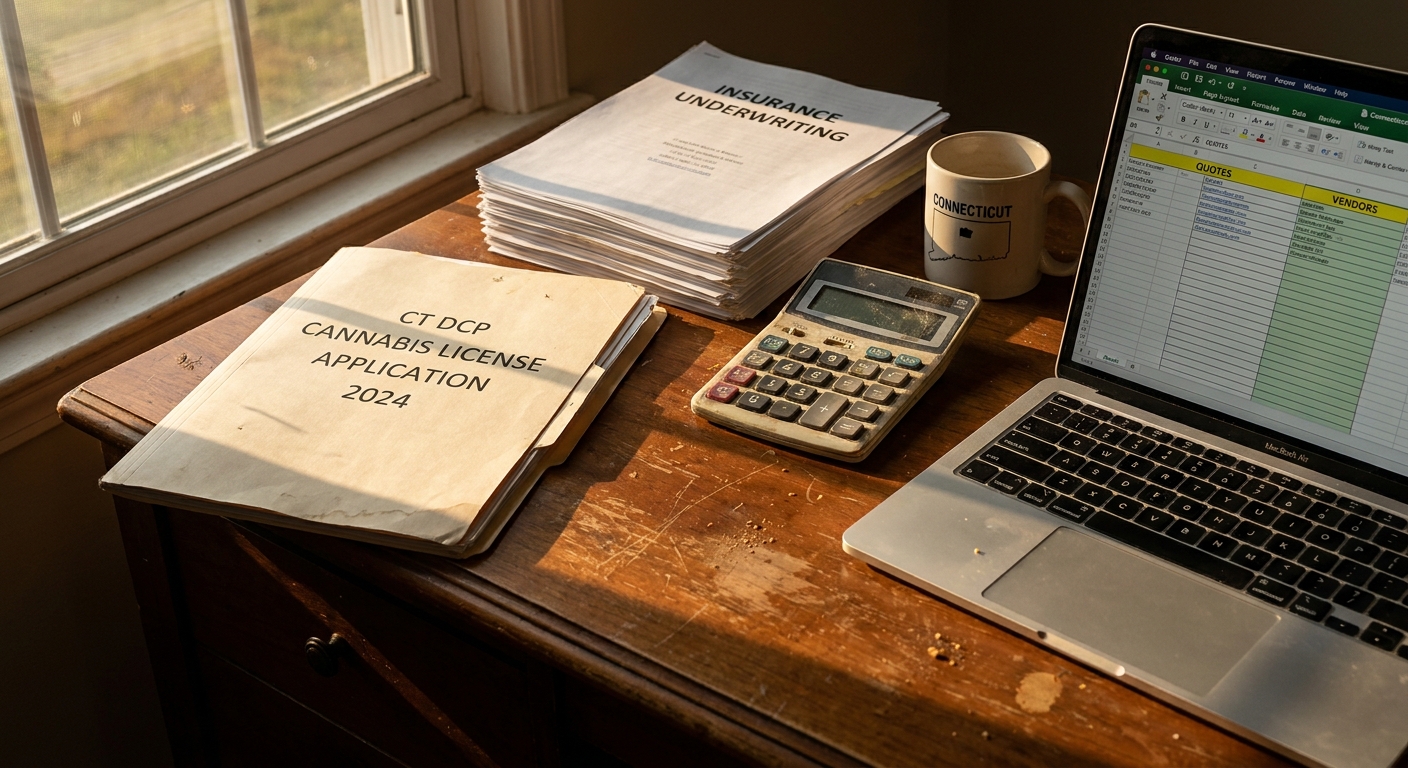
How to Get Cannabis Business Insurance in CT: The Underwriting Walkthrough from DCP License to Bound Policy
From DCP license to bound policy: the exact step-by-step underwriting process for cannabis insurance in CT. What carriers ask for, how long it takes, and the document checklist that gets you to bound in 14 days instead of 60.
The 6 Best Lessors Risk Carriers for Cannabis Real Estate Owners in Connecticut (2026)
Six specialty carriers do the bulk of cannabis lessors risk underwriting for CT landlords in 2026. Each writes differently and excels at different building types. Honest 2026 broker breakdown of who writes what — and when each carrier is the right fit for a CT cannabis property.
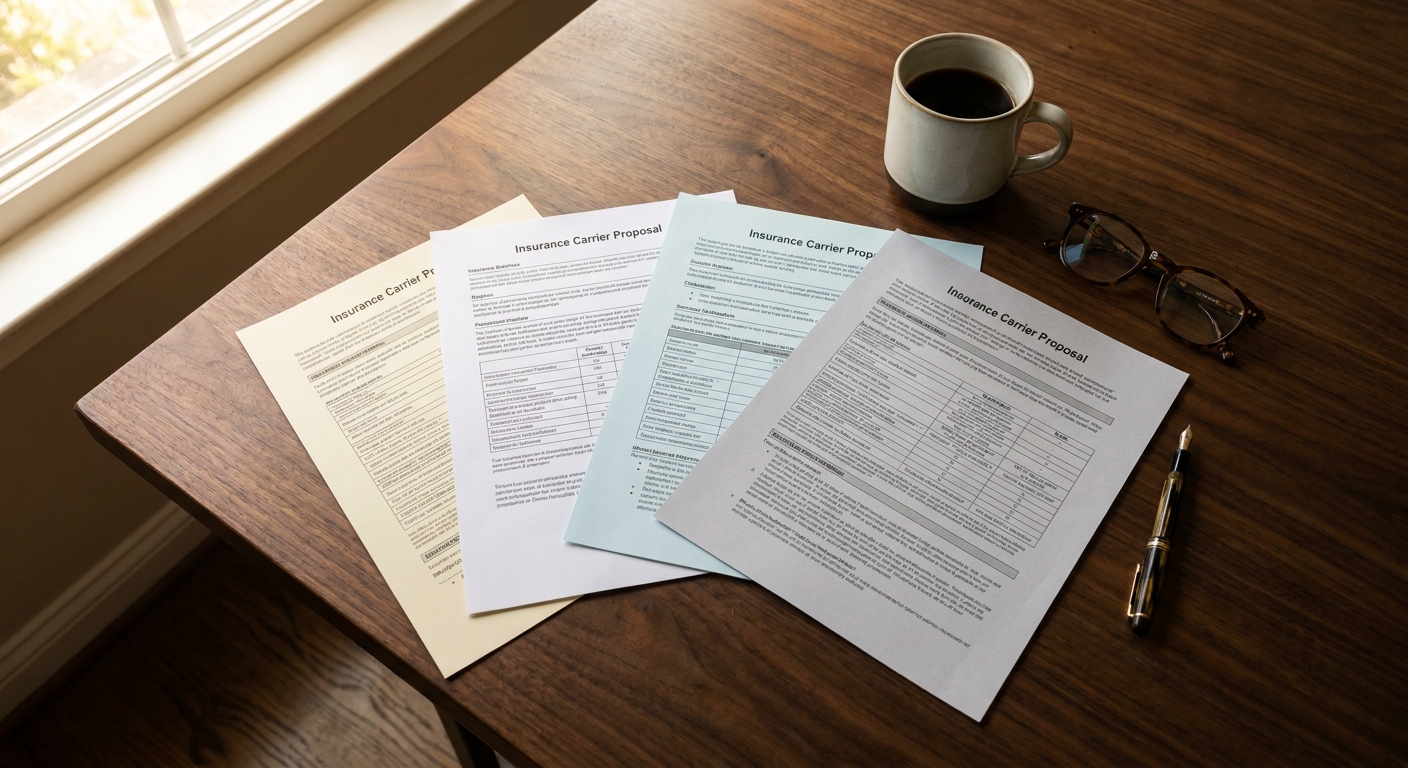
Lancer, Continental Heritage, Admiral & Golden Bear: A Carrier-by-Carrier Review for CT Cannabis (2026)
An independent broker's working review of the four cannabis carriers we place most CT business through in 2026 — Lancer, Continental Heritage, Admiral, and Golden Bear. Side-by-side on policy form, premium, claims handling, and when each is the right fit.
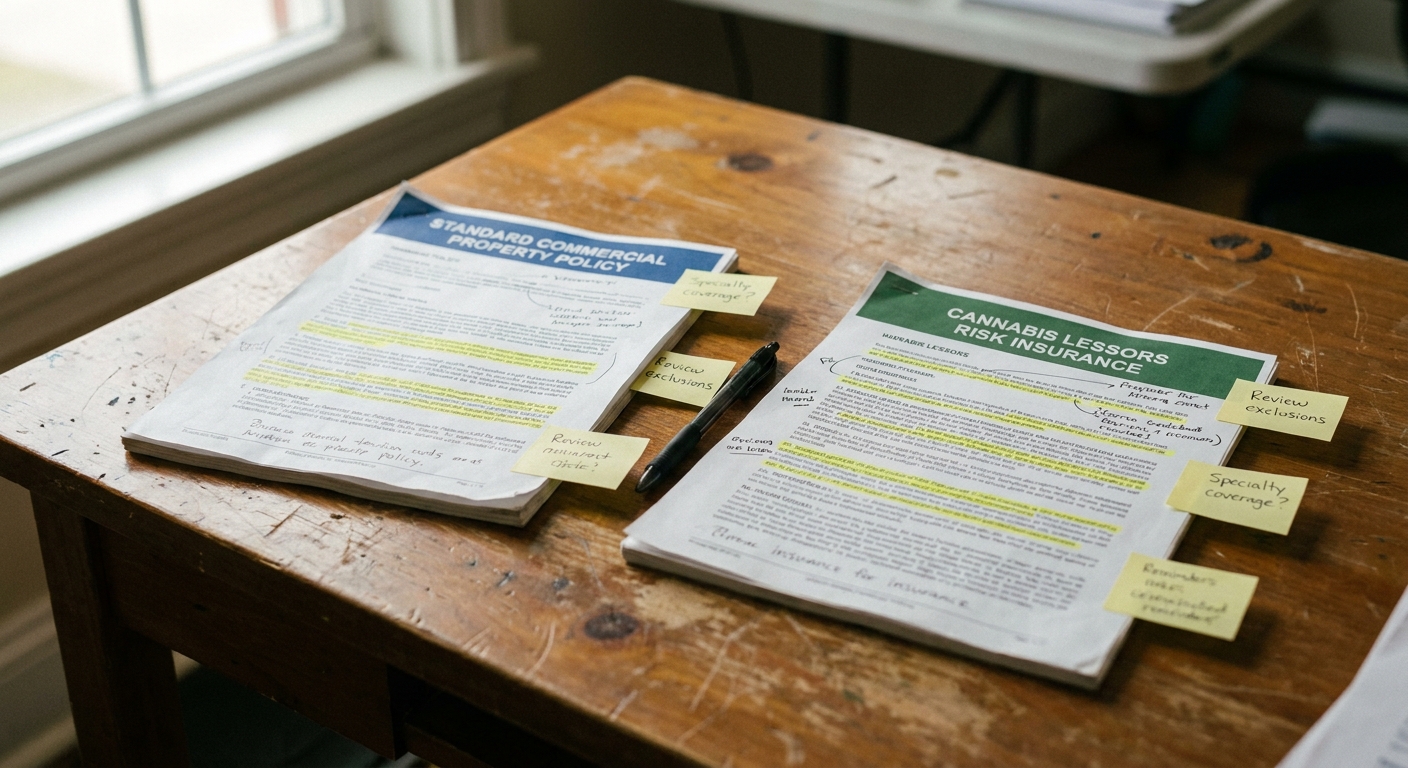
Cannabis Lessors Risk vs. Standard Commercial Property in Connecticut: Why Your Existing Policy Won't Cover a Cannabis Tenant
Adding a cannabis tenant usually does not extend a standard property policy. This side-by-side comparison explains the exclusions, sub-limits, premium differences, and why cannabis lessors risk coverage is not interchangeable.

The 7 Best Cannabis Insurance Carriers Writing in Connecticut (2026)
Seven specialty carriers do the bulk of cannabis underwriting in Connecticut today. Each writes differently, prices differently, and excels at different operations. Here's the honest 2026 breakdown of who writes what and when each carrier is the right fit for a CT operator.
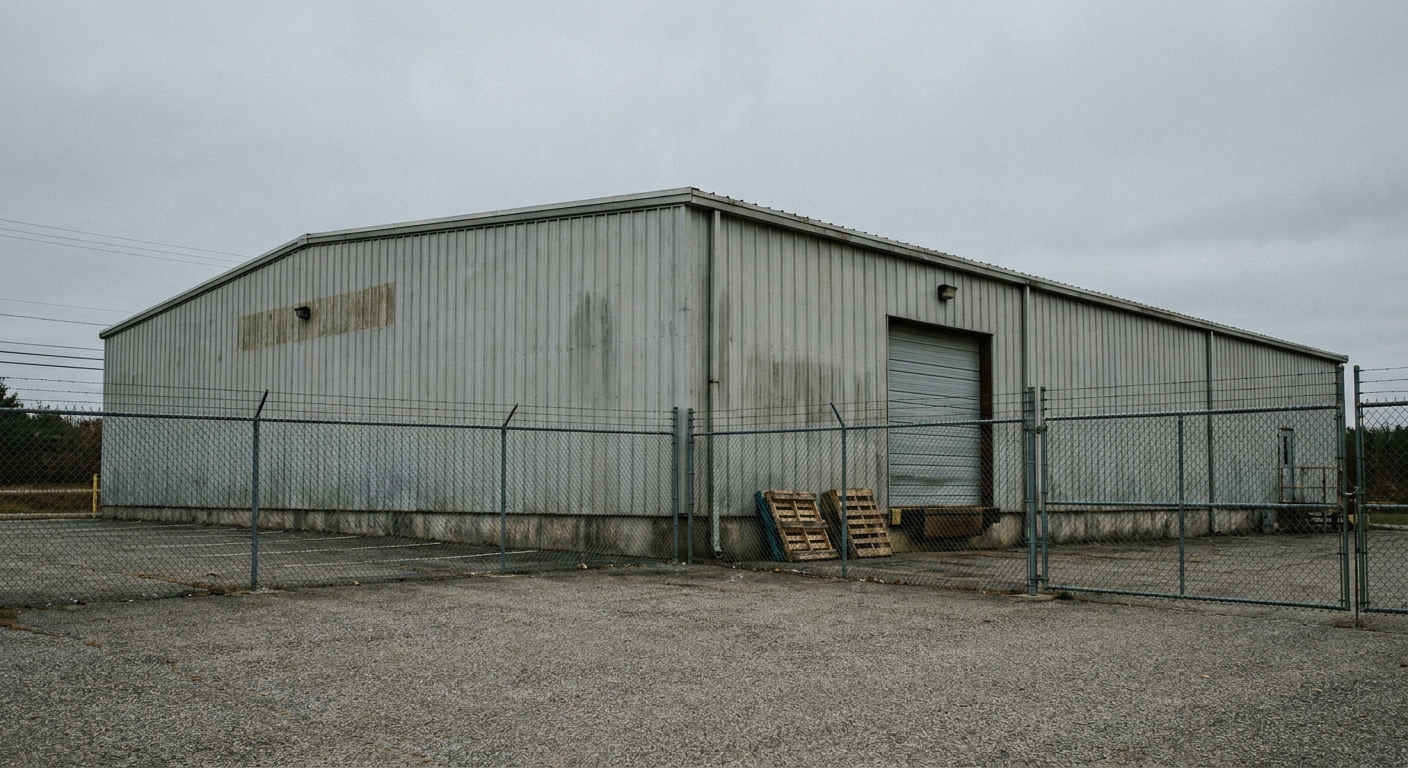
Why Cannabis Landlord Property Claims Get Denied in Connecticut (And the 5 Lease Clauses That Prevent It)
Cannabis lessors risk claims in Connecticut get denied for predictable reasons: exclusions, lease misalignment, and tenant operational changes. Here are five lease clauses that close the common coverage gaps.

Cannabis Insurance vs. Standard BOP: Why a Regular Business Policy Won't Cover Your CT Dispensary
A standard Business Owners Policy (BOP) looks like the obvious choice for a CT dispensary — until you read the controlled-substances exclusion. Here's the line-by-line comparison of what a regular BOP covers, what it excludes, and why cannabis operators need a purpose-built policy.
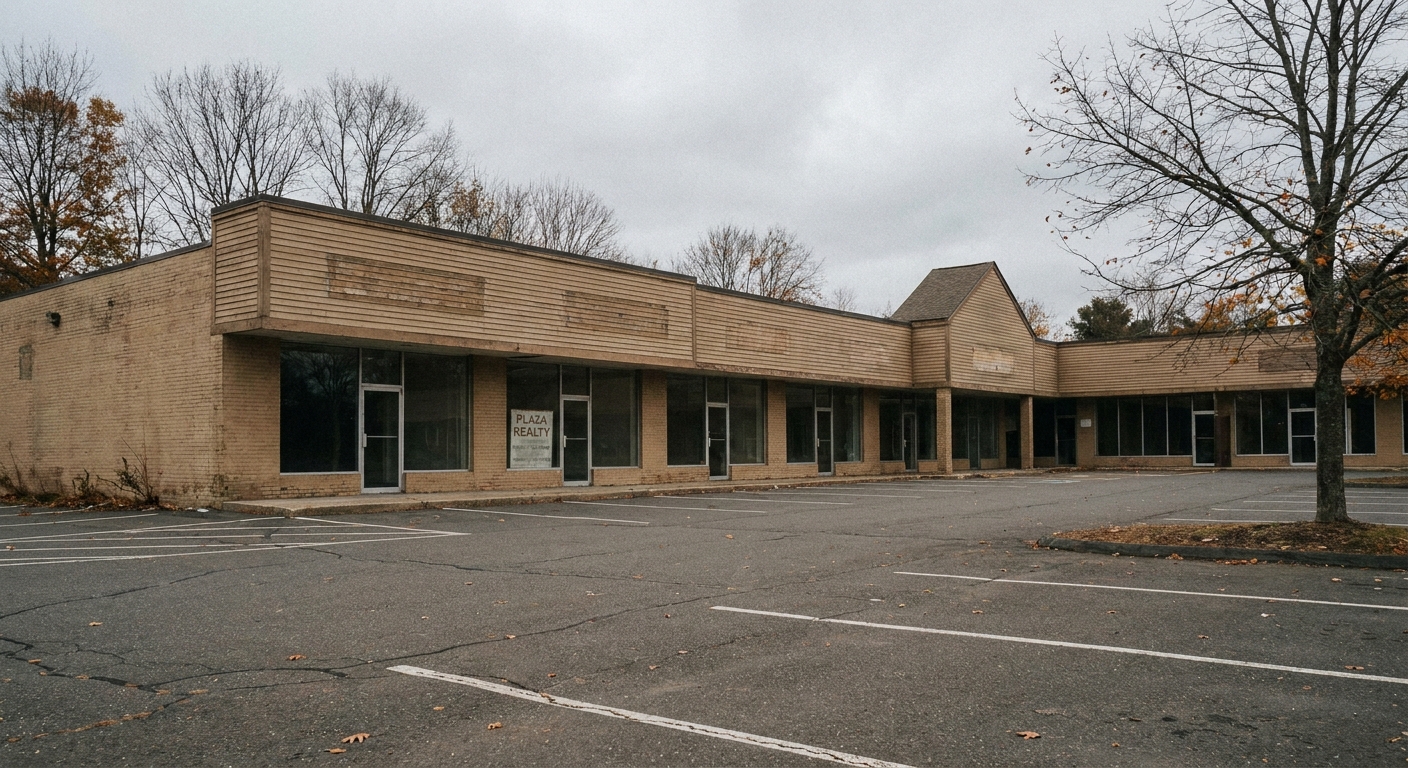
How Much Does Cannabis Lessors Risk Insurance Cost in Connecticut? 2026 Premium Ranges by Tenant Type
Cannabis lessors risk insurance in CT runs 4x–10x standard commercial property pricing. Here are the 2026 premium ranges by tenant license type, what drives the rate, and where landlords are routinely overpaying because their broker didn't shop the right markets.

Why Cannabis Insurance Claims Get Denied in Connecticut (And the 6 Endorsements That Stop It)
Cannabis claims in CT get denied at higher rates than standard lines — not because operators are dishonest, but because cannabis policies carry exclusions and conditions standard policies don't. Here are the six denial patterns and the endorsements that stop them.

Anatomy of a $500K Product Liability Claim Against a Connecticut Cannabis Manufacturer: A Case Study
A composite case study walking through a $500,000 product liability claim against a Connecticut cannabis edibles manufacturer — the incident, the policy response, defense costs, settlement, and what each party (operator, broker, carrier) did right and wrong.

How Much Does Cannabis Insurance Cost in Connecticut? 2026 Premium Ranges by License Type
Connecticut cannabis insurance ranges from roughly $8,000 for a small micro-cultivator to $60,000+ for a full-tier manufacturer or hybrid retailer. Here's the operator-by-operator breakdown of what you should expect to pay in 2026 — and what actually moves the number.

Cannabis Workers Comp and Employee Coverage in Connecticut: The Full Stack Operators Need in 2026
Full breakdown of cannabis workers compensation, EPLI, and employee benefits coverage for Connecticut operators — NCCI class codes, carrier appetite, EPLI exposures unique to cannabis, and how to structure the employee-side stack.

How Cannabis Business Insurance Gets Underwritten in Connecticut: The Full Process Behind Your Quote
Step-by-step walkthrough of how a Connecticut cannabis insurance submission actually moves from your initial conversation with a broker to a bound, paid policy — the documents required, the underwriter's checklist, the subjectivities, and how long each phase actually takes.

Specialty Cannabis E&S Insurance Markets: A Broker's Side-by-Side Review for Connecticut 2026
A specialty cannabis broker's honest side-by-side review of the E&S carriers and programs writing Connecticut in 2026 — appetite, form quality, pricing posture, and claims reputation for each major market.

Best Cannabis Insurance Brokers and Wholesalers Writing Connecticut in 2026
An agent-side breakdown of the cannabis insurance brokers, wholesalers, and MGAs writing meaningful business in Connecticut in 2026 — strengths, market access, response times, and what each one is actually best at placing.

Specialty Cannabis E&S vs Standard Commercial Insurance: Why Generic BOPs Fail Connecticut Operators
Side-by-side comparison of specialty cannabis E&S policies vs. standard commercial BOPs — what each covers, what each excludes, and exactly why generic small business insurance leaves CT cannabis operators uncovered when claims hit.

The 7 Biggest Insurance Mistakes CT Cannabis Operators Make (And How They Cost You at Claim Time)
Seven specific insurance mistakes CT cannabis operators make repeatedly — undisclosed exposures, underscheduled values, missing endorsements, generalist broker placements, ignored subjectivities, weak lease alignment, and no mid-term review. Each one costs six figures at claim time.

What Does Cannabis Business Insurance Cost in Connecticut in 2026? (By License Type)
What does cannabis insurance actually cost in Connecticut? Premium ranges by license type, the seven factors that move the number 40% in either direction, and what every CT cannabis operator should expect on an honest quote in 2026.