- Home
- Life Insurance
- Health Insurance
-
Personal Lines
Car Insurance Classic Car Insurance Homeowner's Insurance High-Value Home Insurance Condo Insurance Renters Insurance Landlord Insurance Dwelling Fire Insurance Vacant Dwelling Insurance Home Warranty Pet Insurance Flood Insurance Travel Insurance Jewelry Insurance Umbrella Insurance Motorcycle Insurance Watercraft Insurance Event Insurance Personal Articles Floater
-
Commercial Lines
AI Insurance Barbershop & Salon Insurance Builder's Risk Insurance Business Owner's Policy Cannabis Business Insurance Coffee Shop Insurance Commercial Auto Commercial Event Insurance Cyber Liability Insurance Employment Practices Liability (EPLI) Error and Omission General Liability Insurance Ghost Worker's Compensation Policy Hotels, Destination & Resorts Industry Specific Inland Marine Insurance Liability Insurance Real Estate Investors Short Term Rental Small Business Insurance Tattoo Insurance Trucking Insurance Worker's Compensation Pilates Instructors
- About Us
- Resources
Business Insurance
Comprehensive guides, expert insights, and practical advice about Business Insurance coverage options. Get the knowledge you need to make informed insurance decisions.
Business Insurance articles
Everything you need to know about Business Insurance coverage, benefits, and protection strategies

Employee Benefits for Food & Beverage Companies: Retention, Cost, and Risk
Food and beverage employers face rising benefit costs and retention pressure. Learn how benefits strategy connects to workforce and business risk.

Policy Consolidation for Food Distributors: How to Close Coverage Gaps
Food distributors can reduce coverage gaps and improve loss control by aligning renewal dates, policies, contracts, vehicles, inventory, and claims.

AI for Food & Beverage Distributors: Insurance and Risk Questions Leaders Should Ask
AI can help food and beverage distributors improve forecasting and margins, but it also creates cyber, vendor, and operational risk questions.

Non-Alcoholic Beverage Growth: Insurance Risks Brands Should Plan For
Non-alcoholic beverage growth is creating new opportunities and new insurance questions around product liability, recalls, distribution, and contracts.
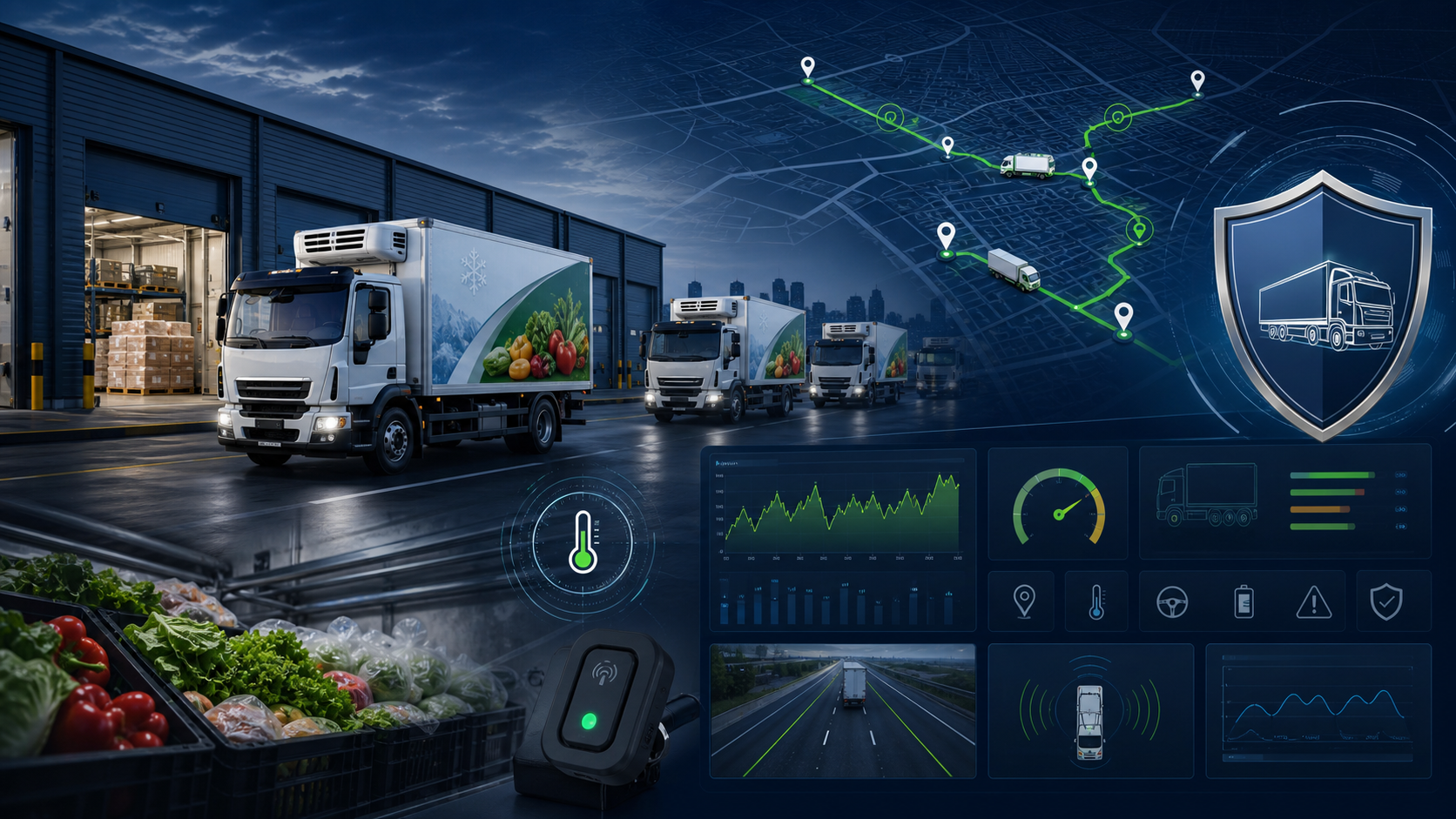
Telematics for Food & Beverage Fleets: Lower Claims, Better Insurance Outcomes
Food and beverage fleets can use telematics to reduce crashes, protect cargo, coach drivers, and strengthen insurance renewal outcomes.

Trade Credit Insurance for Food & Beverage Companies Facing Tariff Risk
Tariffs, delayed payments, and buyer concentration can squeeze food and beverage margins. Learn how trade credit planning can protect growth.

Revenue Recognition and Insurance: What Food & Beverage Companies Should Watch
Revenue recognition issues can expose food and beverage companies to reporting, margin, lending, and insurance risks. Learn what leaders should review.
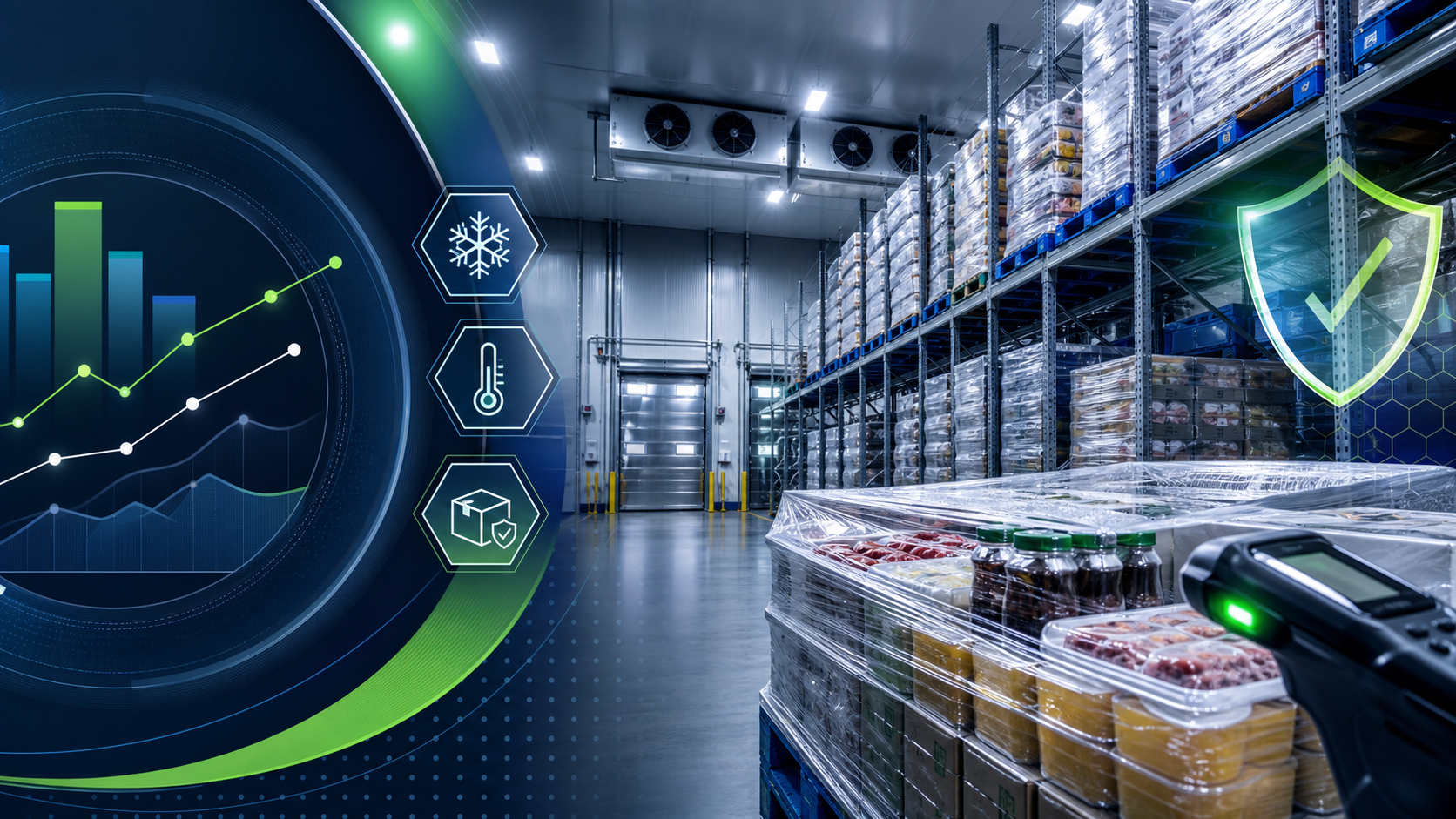
Inventory Insurance for Food & Beverage Companies: How to Protect True Replacement Cost
Food and beverage inventory values can change fast. Learn how to protect raw materials, work in progress, finished goods, spoilage, and peak stock.
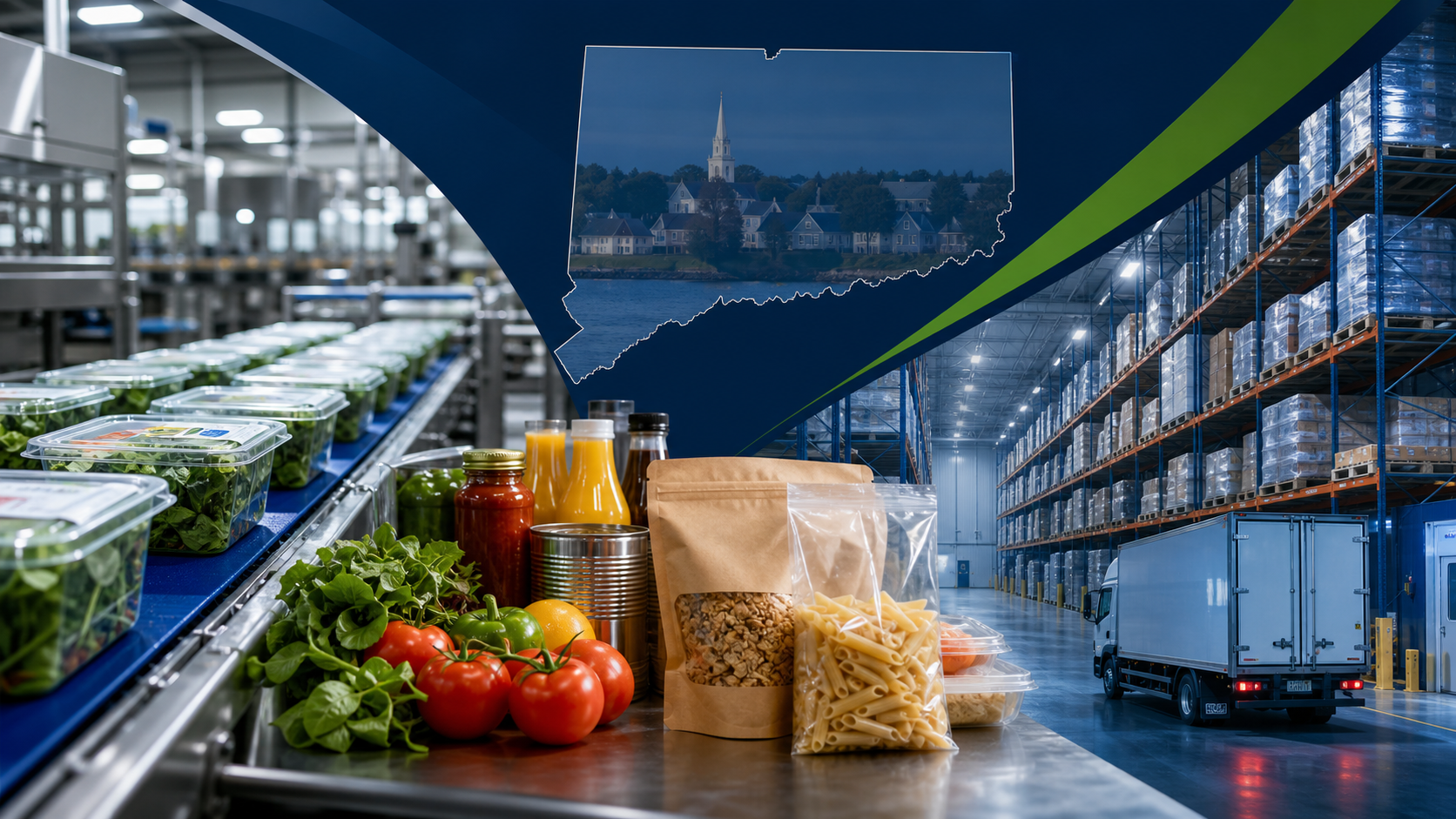
Food & Beverage Business Insurance Guide for Connecticut Companies
A practical guide to food and beverage business insurance, covering revenue risk, trade credit, fleets, product liability, recalls, and growth planning.
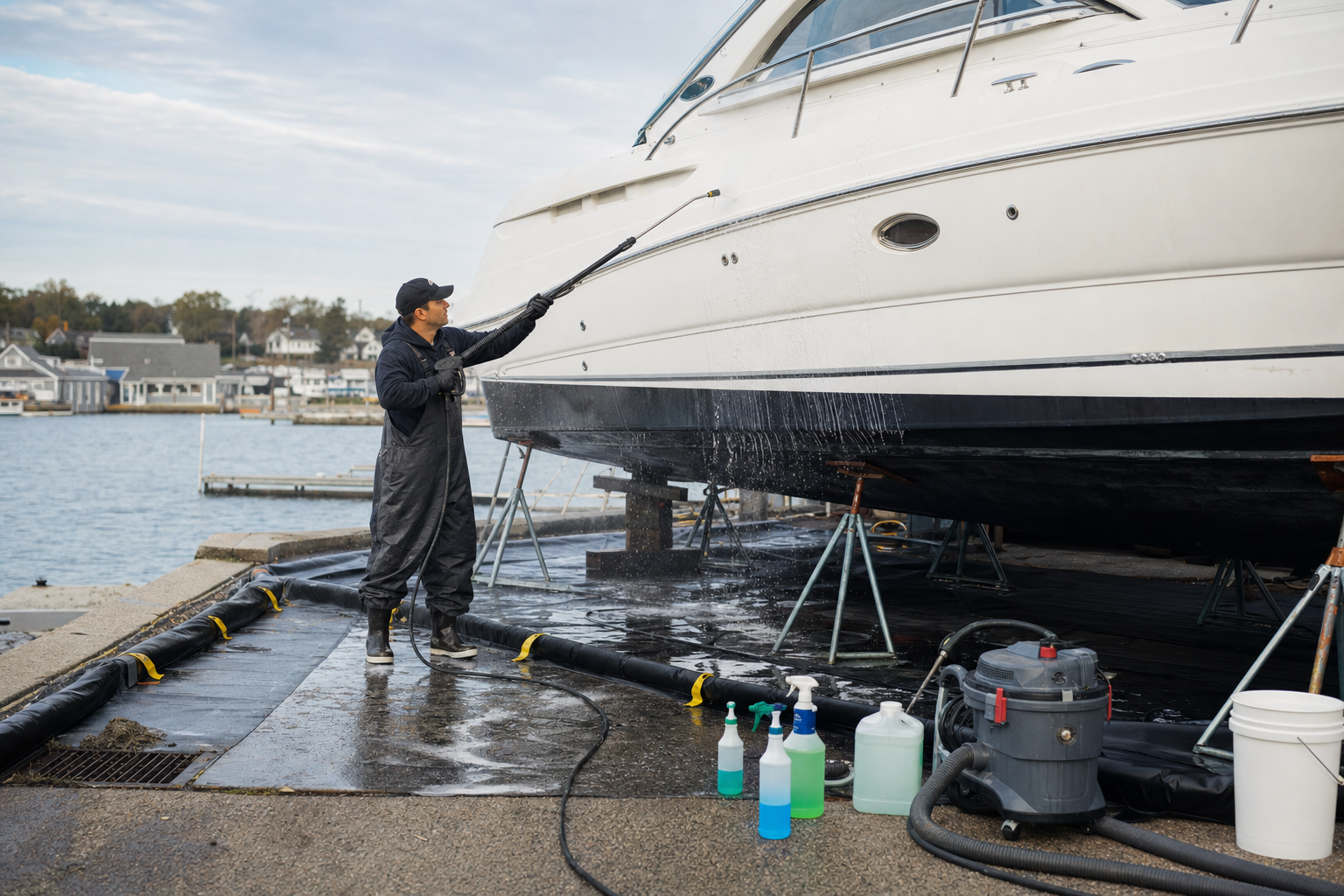
Do Marine Detailers Need Pollution Insurance?
Learn why CT and RI coast marine detailing businesses should review pollution exclusions, chemical runoff, wastewater, pressure washing, and marina environmental rules.
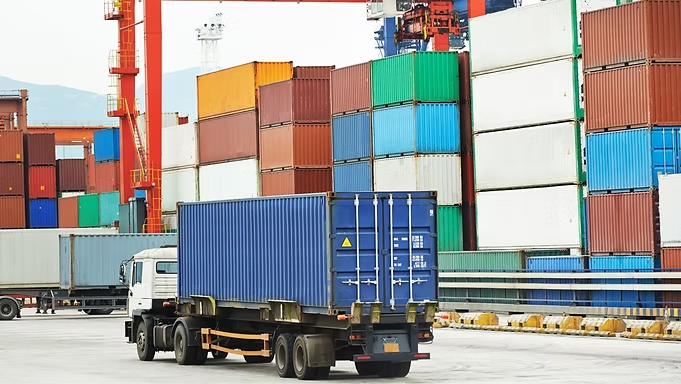
Does General Liability Cover Damage to a Customer's Boat?
Learn why Connecticut coast and Rhode Island coast ship detailers should review care, custody, or control language before assuming vessel damage is covered.

Do Boat Detailers Need Workers Comp in CT or RI?
Learn how Connecticut and Rhode Island coast boat detailing businesses should think about workers' compensation, helpers, subcontractors, injuries, and certificates.
What Insurance Do Marinas Require From Ship Detailers?
Learn what Connecticut coast and Rhode Island coast marinas often require from ship detailing businesses before crews can work on-site.

Do Marine Detailers Need Commercial Auto Insurance?
A CT and RI coast guide to protecting mobile detailing tools, vans, trailers, and business vehicle use for marine detailing businesses.

What Insurance Does a Ship Detailing Business Need?
A practical Connecticut coast and Rhode Island coast guide to ship detailing business insurance, including liability, vessel damage, tools, auto, workers' compensation, marina contracts, and pollution risk.
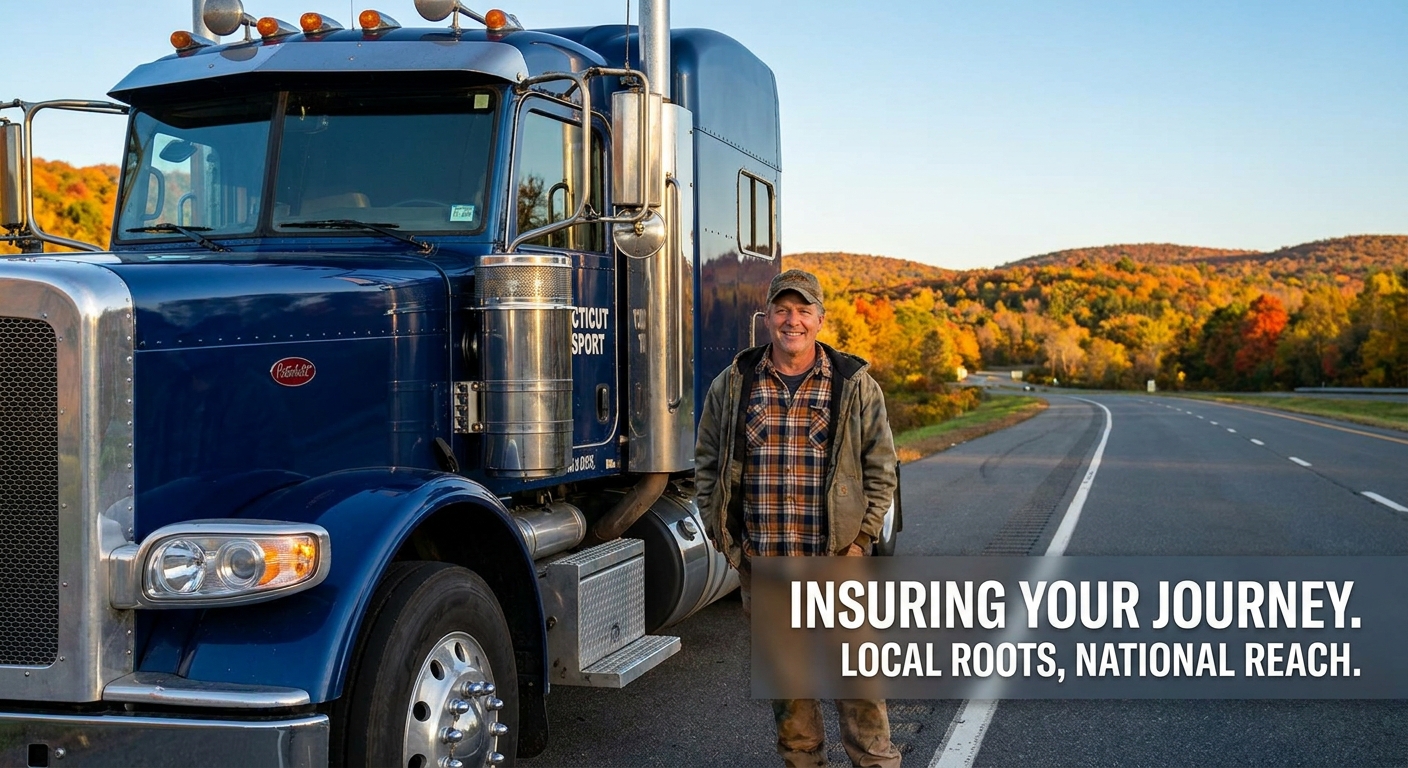
Commercial Trucking Insurance in Connecticut: The Complete Owner-Operator Guide for 2026
Starting a trucking business in Connecticut? Learn the exact insurance limits you need by cargo type, CT-specific compliance requirements, real cost breakdowns, and take our quick coverage assessment to find your tier.